Managing Vaso-Occlusive Crisis in Sickle Cell Anemia: A Simple Guide for Families
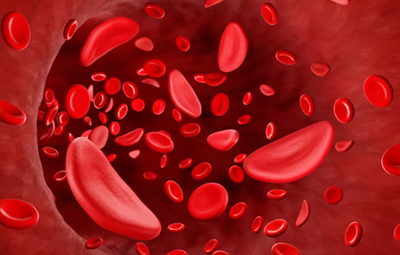
A vaso-occlusive crisis (VOC) is the most common and painful problem seen in people with sickle cell anemia. In this condition, red blood cells become hard and “sickle-shaped.” These sickled cells can block small blood vessels, stopping oxygen-rich blood from reaching different parts of the body. When this happens, it leads to sudden, severe pain. It can start after dehydration, infection, cold weather, stress, or sometimes without any clear trigger.
How to Recognize a VOC:
Pain usually appears in the arms, legs, chest, back, or stomach. The pain may be dull, throbbing, or very intense. Children may cry, refuse to walk, or hold the painful area. Warning signs such as fever, difficulty breathing, chest pain, extreme tiredness, or swelling of hands and feet should be taken seriously and need immediate medical care.
What Families Can Do at Home:
- Hydration: Encourage plenty of fluids like water, ORS, and juices.
- Warmth: Apply warm compresses or give a warm bath; avoid cold temperatures.
- Pain relief: Use doctor-advised medicines such as paracetamol or ibuprofen.
- Rest and comfort: Let the child rest and avoid physical activity.
Indications for Hospitalisation:
- Severe or uncontrolled pain not improving after 2–3 hours of home treatment.
- Fever ≥ 38°C (100.4°F) or any suspected infection.
- Chest pain, difficulty breathing, fast breathing, or persistent cough (risk of Acute Chest Syndrome).
- Symptoms of severe anemia such as unusual tiredness, paleness, or rapid heart rate.
- Swelling of hands/feet or severe abdominal pain.
- Neurological symptoms like severe headache, sudden weakness, confusion, or seizures.
- Signs of dehydration such as poor intake, vomiting, or reduced urine output.
- Any crisis in infants or very young children.
Hospital Care for VOC:
- Effective pain control with stronger medicines if needed.
- IV fluids to improve blood flow.
- Oxygen or blood transfusion if oxygen levels are low or anemia worsens.
- Evaluation and treatment of any infections.
Preventing Future Crises:
- Good daily hydration.
- Avoiding cold exposure and sudden stress.
- Regular use of hydroxyurea if prescribed.
- Keeping up with vaccinations and treating infections early.